

Every day, you use it more than any other kind of communication — a quick chat, a phone call, a meeting, a question shouted across the room. Oral communication is the default setting of human interaction. But speed and ease come with a catch, and knowing both sides is what makes you good at it.
The big advantage of oral communication is speed and connection — it’s instant, personal, and lets you get feedback on the spot. The big disadvantage is that it leaves no record and is easy to misinterpret. That single trade-off drives almost every pro and con below.
What Is Oral Communication?
Oral communication is the exchange of information, ideas, and feelings through spoken words. It covers everything from a casual conversation to a formal presentation — face-to-face talks, phone calls, video meetings, interviews, and speeches. As Encyclopaedia Britannica notes, speech is “human communication through spoken language” — the most natural channel we have.
It’s one of the four main types of communication, and for most people, it’s the one they lean on most.
Advantages of Oral Communication
Here’s why oral communication is the go-to for so much of daily work:
- It’s fast. No drafting, no waiting. You say it, they hear it, and the message lands instantly. For anything urgent, nothing beats it.
- You get instant feedback. The other person can react, question, or agree on the spot — so you know right away whether your message got through. A quick “wait, what do you mean?” saves hours.
- It’s personal and builds relationships. Tone, warmth, and the back-and-forth of real conversation create trust that a written message just can’t. It’s how rapport gets built.
- It clears up confusion immediately. If something isn’t clear, you explain it a different way in the same breath — no long email chains going back and forth for days.
- It’s flexible. You can read the room and adjust — soften a tough message, speed up when people get it, slow down when they don’t. Written words can’t adapt in real time.
- It’s great for group discussion. Meetings, brainstorms, and debates run on spoken words. Ideas bounce, build, and improve faster when people talk them through together.
- It saves money and effort. No printing, no formal documents — often a two-minute conversation replaces a page of writing.
Disadvantages of Oral Communication
For all its strengths, oral communication has real limits — and ignoring them causes trouble:
- It leaves no record. Once words are spoken, they’re gone. There’s nothing to refer back to, which is a problem for anything important or legal. “You never said that” is impossible to settle without proof.
- It’s easy to misunderstand. Without a written trail, messages get remembered wrong or twisted as they pass from person to person — like a game of telephone.
- It’s poor for complex or detailed information. Long figures, technical steps, or detailed instructions are hard to absorb by ear. People simply can’t hold it all in their heads.
- It’s not legally reliable. A spoken promise rarely holds up the way a signed document does. For contracts and commitments, writing wins.
- Noise and distractions get in the way. A loud room, a bad connection, or an interruption can garble the message or cut it off entirely.
- It can put people on the spot. Not everyone thinks well out loud. Shy or anxious speakers may struggle to get their point across in the moment, even when their idea is strong.
Merits and Demerits at a Glance
| Advantages (Merits) | Disadvantages (Demerits) |
|---|---|
| Fast and instant | No permanent record |
| Immediate feedback | Easy to misunderstand |
| Personal, builds trust | Weak for complex detail |
| Clears confusion on the spot | Not legally reliable |
| Flexible and adaptable | Hurt by noise and interruptions |
| Ideal for group discussion | Puts nervous speakers on the spot |
When to Use Oral Communication (With Examples)
The trick isn’t picking oral communication every time — it’s knowing when it wins. Reach for it when:
- Speed matters — a manager calling the team to handle an urgent client issue before it blows up.
- The message is sensitive — giving feedback, resolving a disagreement, or delivering hard news, where tone carries half the meaning.
- You need to persuade or connect — a sales pitch, an interview, or motivating a team, where energy and presence do the work.
And switch to writing when you need a record, precise detail, or something that has to reach many people the same way — which is exactly where business communication often mixes both. The smartest communicators don’t marry one channel; they match it to the moment.
The Importance of Oral Communication
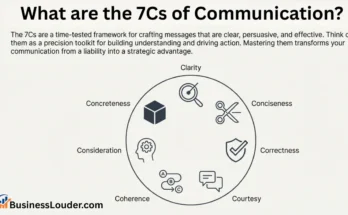
Oral communication isn’t just convenient — it’s a core professional skill, and it delivers on the everyday functions of communication most jobs depend on. Interviews, meetings, presentations, negotiations, and everyday teamwork all run on it. People who speak clearly and listen well get heard, get trusted, and get ahead. It’s no accident that “strong communication skills” sits near the top of nearly every job description — and the 7 Cs of communication are what keep the spoken word clear. Master it, and you’ve mastered the channel most of work actually happens in.
Frequently Asked Questions
What are the main advantages of oral communication?
It’s fast, gives instant feedback, feels personal and builds trust, clears up confusion on the spot, is flexible, and works well for group discussion — making it ideal for urgent, sensitive, or persuasive messages.
What are the disadvantages of oral communication?
It leaves no permanent record, is easy to misunderstand, struggles with complex detail, isn’t legally reliable, gets disrupted by noise, and can put nervous speakers on the spot.
What is the difference between oral and written communication?
Oral communication uses spoken words and is fast and personal but leaves no record. Written communication uses text — it’s slower to produce but precise, permanent, and easy to refer back to. Each wins in different situations.
What are examples of oral communication?
Face-to-face conversations, phone and video calls, meetings, interviews, presentations, speeches, and group discussions are all everyday examples of oral communication.
Say It Well
Oral communication is powerful precisely because it’s fast, human, and immediate. But those same strengths are its weaknesses: what’s quick can be careless, and what’s unwritten can be forgotten or misheard.
So the real skill isn’t choosing speech over writing — it’s knowing which one the moment calls for. Use your voice when speed, tone, and connection matter. Reach for writing when you need a record or precision. Get that call right, and you’ll be the person in the room who always seems to say the right thing, the right way, at the right time.



One Comment on “Advantages and Disadvantages of Oral Communication”